
Visual storytelling
Visual storytelling is a way of telling a story about a brand, product, or idea through visual imagery: images, videos, and animations. This format helps convey a message quickly without the need for lengthy text.

Unlike a simple illustration, visual storytelling conveys a story with a hero, a conflict, and a resolution. For example, a photograph of a coffee cup is just a picture. A story would be a series of shots depicting how a coffee bean becomes the drink in a customer's cup.
Visual formats are especially important in the current age of information overload. According to a HubSpot report, they deliver the highest returns:
- Short videos bring the highest ROI (21%);
- images account for 19%;
- Live video streams — 15.53%.
What Visual Storytelling Consists Of
This type of storytelling is built on two components: the story and the visuals. The story involves a hero, a conflict, and its resolution. The visuals determine how all of this is told: through composition, color, rhythm, and the sequence of elements.
The Story — the Foundation of Storytelling
It consists of several elements. Each serves its own purpose and works in conjunction with the others.
Hero. This is the central character of the story: a real person, a company's customer, a brand mascot, or even the product itself. The hero must be relatable and understandable to the audience — someone people can identify with or feel empathy for.
Plot and conflict. This is the sequence of events that takes the hero from the starting point to the finale. At the center of the plot is a conflict — an obstacle, problem, or challenge that the hero faces. This creates tension and holds the audience's attention. The clearer and sharper the conflict, the stronger the emotional engagement of the audience.
Resolution. This is the moment when the hero achieves their goal or gets a result. The audience experiences emotional satisfaction and forms an association between the brand and a positive outcome. The main message of the story is reinforced: what changed, what value the hero received, and why it matters.
Setting. The environment in which the story unfolds amplifies the atmosphere and helps convey the brand's values. The setting can be realistic or abstract. The key is that it supports the story rather than distracts from it.
How to achieve Product Market Fit
Study the customer.
Understand who these people are, what they do, what they are interested in, how they live, what their needs and fears are. It is also important to determine what motivates the customer to buy the product. What task can they solve with its help? To do this, teams use the JTBD concept.
The main goal of this approach is to identify the true needs of customers that the company's product can solve. The company determines which characteristics are important for the product and can also identify hidden competitors.
Identify needs.
For a start-up, it is particularly important to identify a need that is not fully met by the market. Such a product can take off and become the first in its niche.
In 2007, a conference was held in San Francisco, which attracted many guests from other cities. Two former classmates, Joe Gebbia and Brian Chesky, were renting an apartment together and decided to make some money. They put three mattresses in the living room and started renting out beds together. They offered their guests breakfast, which they prepared themselves.
To find customers, they created a mini-website called AirBed & Breakfast. They managed to attract guests, who soon began to ask when a similar service would appear in other cities. The entrepreneurs realised that this was a great idea and began to develop the product.

Visual Elements.
A story needs the right presentation. Even the most powerful narrative will get lost if the elements on screen are arranged chaotically, the colors are jarring, and there is nothing to draw the eye. Visual elements organize the story so that it reads easily and is remembered for a long time.
Composition and hierarchy. This determines where exactly the user will look first, where their gaze will move next, and what information they will retain.
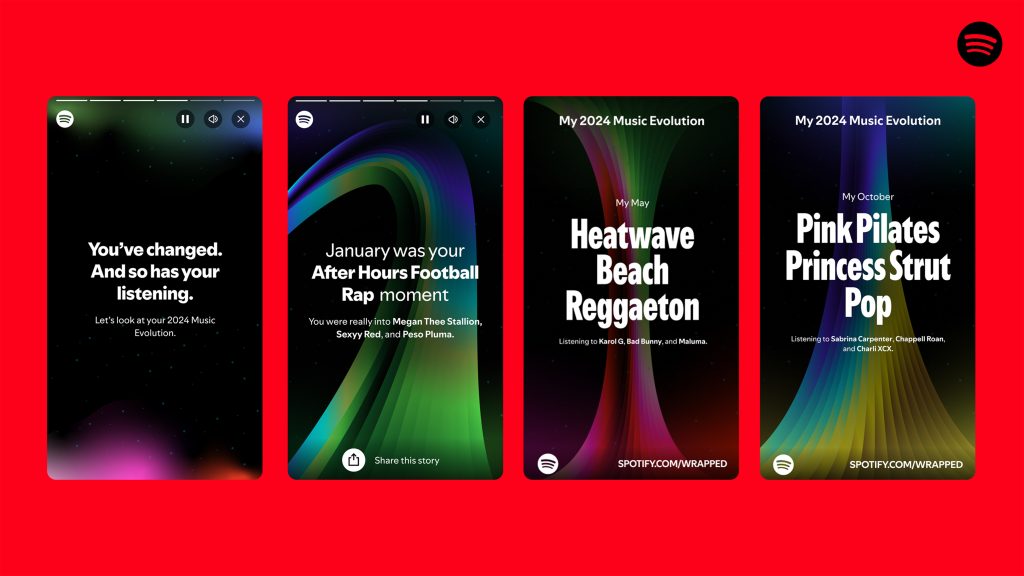
Color and color psychology. The palette sets the emotional tone of the story and influences how the brand tells it. For example, red and orange are associated with energy and passion, while blue and green convey calmness. That said, color should be used deliberately and moderately.

Sequence and rhythm. Each visual element must flow logically into the next, creating a cohesive narrative. When all elements transition smoothly, the eye glides easily through the story.

Gestalt principles. These explain how the brain groups visual elements and finds connections between them. In storytelling, these principles help create meaning without unnecessary explanation. Proximity, for instance, signals that elements are related to one another.

How to achieve Product Market Fit
To hold the audience's attention. In the enormous stream of information, users spend just a few seconds assessing content. Visual stories draw a person into the narrative and stop the endless scroll. According to Forbes, users retain 95% of information from videos versus 10% from plain text.
To increase emotional engagement. When a person sees a hero, they experience the plot twists alongside them. As a result, an emotional connection with the brand begins to form.
.png)
Google launched its "Dream Job" campaign in early 2025. In one of the videos, a man prepares for a job interview using Gemini Live. He answers a question about his experience hesitantly. Gemini suggests trying again, and the hero shares a story about how raising his daughter became his most important "employer."
To simplify the perception of complex information. Infographics and data visualization turn dry figures and statistics into comprehensible imagery. This is especially important when explaining complex products or processes.
Fidelity Investments, for example, uses short animated videos and infographics on its platforms to visually explain investment ideas and strategies to users.
To increase brand recognition. A consistent visual style helps stand out from competitors. When a company uses distinctive colors, compositions, and characters across all communication channels, the brand becomes recognizable at a glance.

Types of Visual Storytelling
Photo storytelling. This involves creating visual stories through a series of photographs, where each shot reveals part of the narrative. Companies use photo storytelling, for example, to showcase behind-the-scenes moments, user experiences, social initiatives, or new collection launches.

Video storytelling. This is a way of telling a company's story through a visual format that combines image, sound, and editing into a single narrative. Unlike static formats, video better captures the development of events over time. The viewer sees the hero's actions, hears the tone of their voice, and feels the mood through the music and editing pace.

Stories. This format allows brands to share spontaneous, authentic moments and creates a sense of closeness with the audience. Stories are well suited to serialized content and sequential narrative. The format allows viewers to be guided through all stages of a story.
Travel agencies, for example, use Instagram or TikTok Stories in a storytelling format to introduce their guides and show trips in real time.
Infographics. This is a visual representation of data that turns figures and facts into an understandable story. Infographics combine charts, diagrams, illustrations, and text to create a narrative with a beginning, a development, and a conclusion.
Graphic stories. A sequence of visual slides that gradually unfolds a plot. The user scrolls through slides or pages, moving from the opening to the resolution.
Key Takeaways
- Visual storytelling is a way of telling a story about a brand, product, or idea through visual imagery, without lengthy text.
- It holds attention, simplifies complex topics, and increases brand recognition.
- Working on a story involves developing the hero, plot, setting, as well as the conflict and its resolution.
- Creating the visuals involves working with composition, color, rhythm, and other elements.


.jpg)
.jpg)

.jpg)


Get in touch today to discuss how we can help your brand stay ahead
